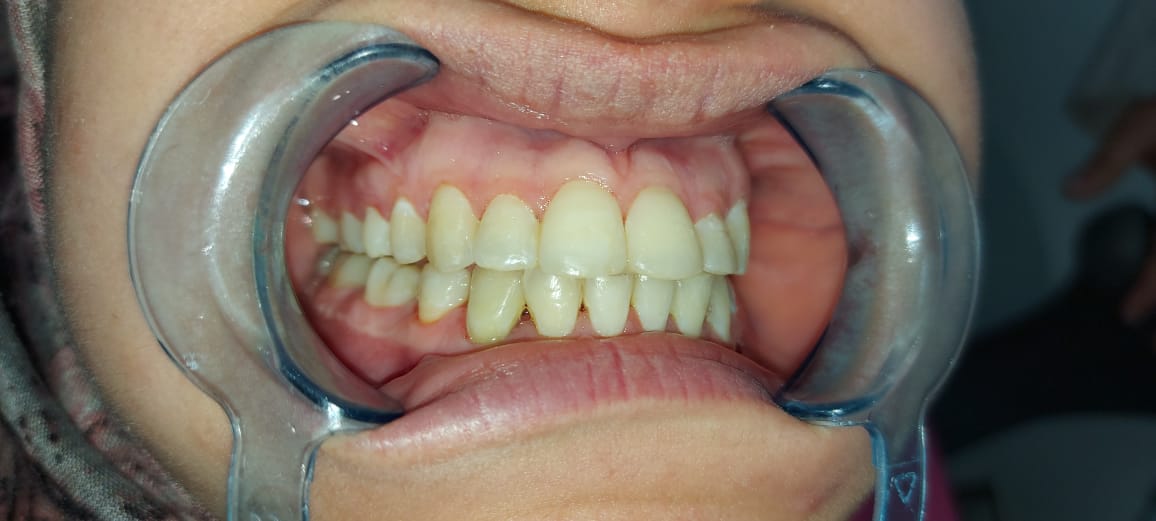
How to build-up an upper primary anterior
1٬315
0
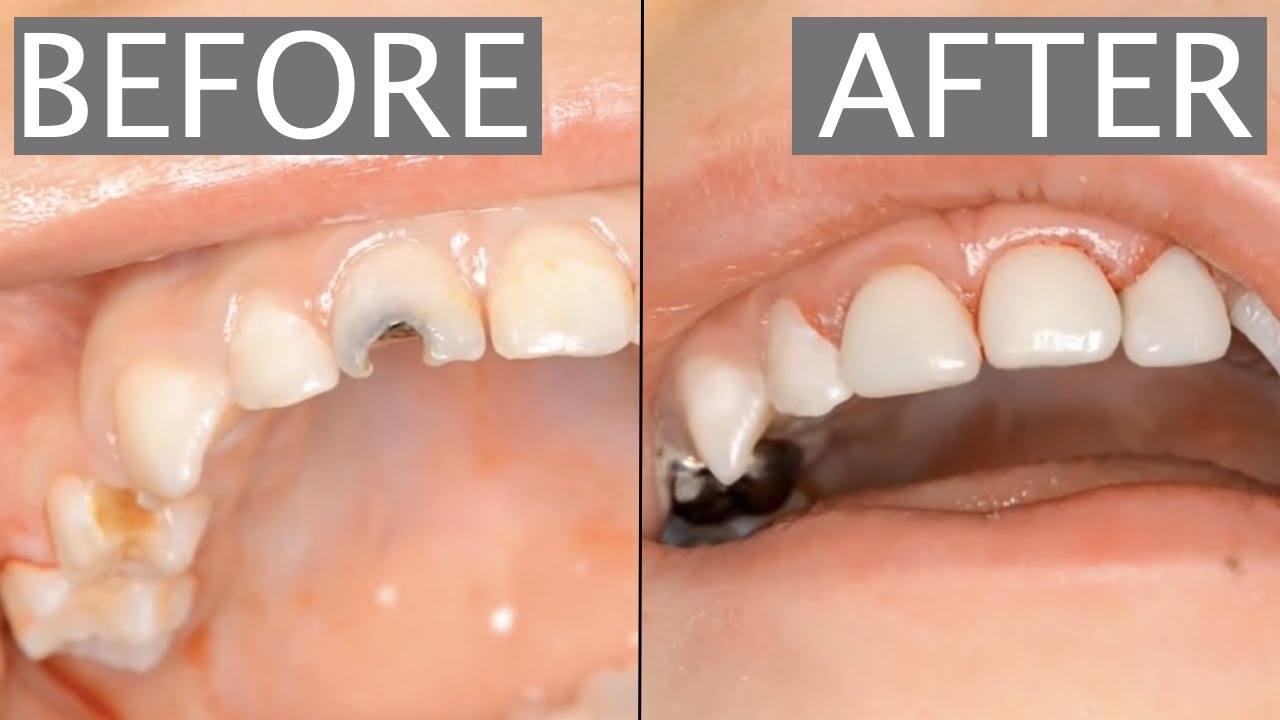

How to build-up an upper primary anterior
How to build-up an upper primary anterior in a 3-year-old child with strip crowns
also Building up an upper primary anterior tooth (usually the maxillary central or lateral incisor) is a common but technique-sensitive procedure in pediatric dentistry. Because primary teeth have thin enamel and large pulp chambers, the approach depends on how much tooth structure remains.
The most common and aesthetic method is the Strip Crown (Celluloid Crown) technique.
1. Preparation and Material Selection
-
Shade Selection: Choose the composite shade before the tooth dehydrates. In primary teeth, “B1” or “A1” is often used due to their natural whiteness.
-
Size Selection: Use a primary celluloid crown form (e.g., 3M ESPE Strip Crowns). Select a size that matches the mesio-distal width of the original tooth or the contra-lateral tooth.
-
Isolation: Use a rubber dam if possible. Moisture control is the #1 factor for success; even a small amount of saliva or blood will cause the restoration to fail.
2. Tooth Preparation
-
Incisal Reduction: Reduce the incisal edge by approximately mm using a fine diamond bur.
-
Proximal Reduction: Slice the mesial and distal surfaces to break contact, ensuring walls are slightly convergent toward the incisal.
-
Labial and Lingual Reduction: Reduce these surfaces by about mm to create space for the composite.
-
Caries Removal: Remove all decayed tissue. If the decay is deep, place a protective liner (like Glass Ionomer or Calcium Silicate).
-
Gingival Undercut: Some clinicians place a small undercut near the gingival margin to enhance mechanical retention.
3. Fitting the Strip Crown
-
Trimming: Trim the gingival margin of the celluloid form with crown scissors so it fits mm into the gingival sulcus.
-
Venting: Use an explorer to poke a small hole in the incisal edge or lingual surface of the plastic form. This allows air and excess composite to escape, preventing voids/bubbles.
4. Bonding and Placement
-
Etch and Bond: Etch the enamel for 15–20 seconds, rinse, and lightly dry. Apply your bonding agent and light-cure according to the manufacturer’s instructions.
-
Filling the Form: Fill the strip crown about 2/3 full with composite. Avoid overfilling, which can cause the plastic form to split or make seating difficult.
-
Seating: Firmly seat the filled form onto the tooth. Ensure it is aligned with the adjacent teeth.
-
Cleanup: Use an explorer to remove excess “flash” composite from the gingival margins before curing.
-
Curing: Light-cure from both the labial and lingual aspects (usually 40 seconds each).
5. Finishing
-
Stripping: Use a scaler or explorer to “peel” the plastic celluloid shell away from the composite.
-
Polishing: Since the plastic form leaves a very smooth surface, minimal finishing is needed. Check the occlusion (the child’s bite) and use a fine diamond or Sof-Lex disc to smooth any rough gingival margins.
-
Pediatric Esthetic Restorations
-
Resin-based Composite (RBC)
-
Strip Crown Technique
-
Moisture Management in Pedodontics
-
Primary Incisor Reconstruction
1. الكلمات المتعلقة بالمواد (Materials & Tools)
-
Bonding Agent: (عامل الربط) لذلك لتعويض كلمة “Bond” البسيطة.
-
Micro-hybrid Composite: (كمبوزيت ميكرو-هجين) ومع ذلك وهو النوع الأكثر استخداماً لجمعه بين القوة والجمالية.
-
Phosphoric Acid Etchant: (حمض الفسفوريك) لتحديد نوع المادة المستخدمة في الـ Etch.
-
Flowable Composite: (الكمبوزيت السائل) يُستخدم أحياناً كطبقة أولى لمنع الفراغات.
2. الكلمات المتعلقة بالتقنية الطبية (Clinical Terms)
-
ECC (Early Childhood Caries): المصطلح الطبي للتسوس المبكر عند الأطفال.
-
Pulpectomy / Pulpotomy: إذا كان السن يحتاج علاج عصب قبل البناء.
-
Feather-edge Margin: لوصف شكل التحضير عند منطقة اللثة.
-
Gingival Hemostasis: (إيقاف النزيف اللثوي) وهي خطوة حرجة جداً قبل وضع الحشوة.
-
Flash Removal: (إزالة الزوائد) قبل التصلب الضوئي.
أترك تعليق
جديد المقالات

جديد الفيديو
البوم الصور